
How to Import Bentonite from China: MOQ, Documents and Shipping
← Back to ResourcesChina is a major source of sodium and calcium bentonite clay. For buyers using it in drilling fluids, slurry walls, HDD, foundry binders, GCL waterproofing and pelletizing, importing directly can improve pricing and supply continuity, but only when specifications, documents and shipping terms are agreed before production.
Before you import bentonite
“API bentonite” is not a complete grade. State sodium or calcium type and drilling, foundry or civil/GCL application. For the published drilling grade, confirm yield ≥ 90 bbl/ton, fluid loss ≤ 15 mL/30 min, moisture ≤ 10% and the required mesh before loading.
- International HS heading
- HS 2508.10 — bentonite. Confirm the destination country’s national extension and duty treatment with the customs broker.
- Put this on the PO
- Specify API 13A or OCMA where applicable, sodium/calcium type, montmorillonite, yield, filtrate, moisture and mesh.
- COA and inspection
- Ask for the current batch COA before ordering. Miningsun can arrange independent SGS/BV pre-shipment verification; no external laboratory accreditation is implied unless the specific report names it.
This guide follows the practical steps from first inquiry to customs clearance, so procurement teams can compare quotations correctly and qualify a shipment before committing to repeat orders.
Step 1: Define Your Technical Requirements
Start with the application and specification rather than the lowest price. Clear requirements allow suppliers to confirm the correct grade, current test reports and suitable packaging.
- Grade: API drilling, civil, foundry or GCL grade
- Standard: API 13A, OCMA or the relevant project specification
- Test data: Confirm viscosity, yield, moisture and residue requirements
Ask for a Technical Data Sheet and a recent sample COA or test report. Your technical team should approve the material against the intended use before a commercial order is released.
Step 2: Understand MOQ and Packaging
MOQ depends on product density, packing format and container economics. Samples and small trial quantities help with laboratory approval, while a full-container shipment generally produces the best landed cost.
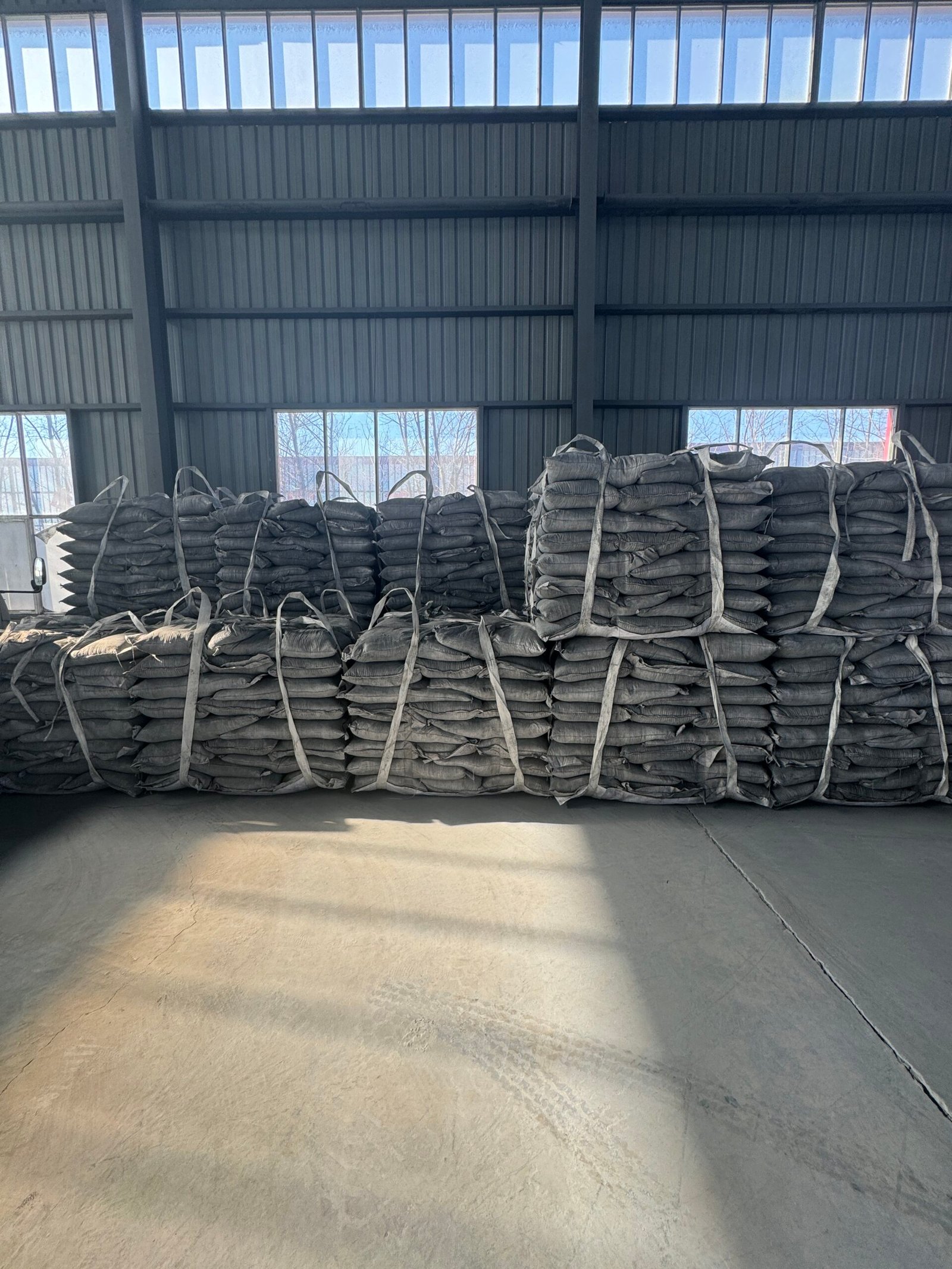
- Packaging: 25 kg bags, 50 kg bags, 1 MT jumbo bags or palletized export packaging
- Common loading ports: Tianjin, Qingdao, Shanghai or Ningbo
- Shipping basis: FOB, CFR or CIF
Confirm pallet requirements, bag markings, net weight and the expected container loading quantity before the proforma invoice is issued.
Step 3: Choose Your Incoterms
Incoterms define where the supplier's responsibility ends and the buyer's responsibility begins. The common options are:
- FOB (Free On Board): the supplier loads the goods at the Chinese port; the buyer arranges ocean freight, insurance and import clearance.
- CFR (Cost and Freight): the supplier pays freight to the destination port; insurance remains with the buyer.
- CIF (Cost, Insurance and Freight): the supplier arranges freight and insurance to the destination port.
Compare quotations on the same Incoterm. An FOB offer and a CIF offer are not directly comparable until freight and insurance are included.
Step 4: Agree Payment Terms
Typical export terms are a T/T deposit with the balance against a copy of the Bill of Lading, or a Letter of Credit at sight for larger orders. Confirm the amount, payment milestones, specification, packing, lead time and inspection terms in the proforma invoice before production begins.
Step 5: Know the Export Documents You'll Need
A complete document set helps prevent customs delays and gives the receiving team a traceable quality record. For Bentonite imports, request:
- Commercial Invoice and Packing List
- Bill of Lading (B/L)
- Certificate of Origin
- TDS and batch COA
- Viscosity and yield data
- MSDS
Tip: Confirm destination-specific certificates with your customs broker and verify the correct HS code before shipment. Classification and documentary requirements can vary by country and application.
Step 6: Arrange Inspection (Recommended for First Orders)
For a first order with a new supplier, pre-shipment inspection is a practical way to verify quantity, packaging, marking and sampling before loading. SGS, BV or another buyer-appointed agency can inspect the goods at the warehouse or loading port.
Frequently Asked Questions
What is the normal MOQ for Bentonite?
MOQ depends on product density, packaging and whether the order is a sample, LCL shipment or full-container load. Samples and small qualification orders are available, while FCL shipments usually provide the best landed cost.
Which Incoterm is best for a first-time buyer?
CIF is often easiest for a new importer because the supplier arranges freight and insurance to the destination port. FOB gives experienced buyers more control over freight and insurance.
Which documents should buyers request?
Request a commercial invoice, packing list, Bill of Lading, certificate of origin, batch COA or test report and MSDS, plus any destination-specific certificates required by your customs broker.
How long does delivery take?
Stock grades are commonly ready around 15 to 25 days after order confirmation. Ocean transit time depends on the loading port, destination and current sailing schedule.
Can I test the material before placing a full order?
Yes. Miningsun can provide a small sample with available technical documents for laboratory qualification before a trial or full-container order.
Import Bentonite from China with confidence
Miningsun supports samples, technical documents, export packing and FOB/CIF quotations for international buyers. Third-party inspection is welcome.