
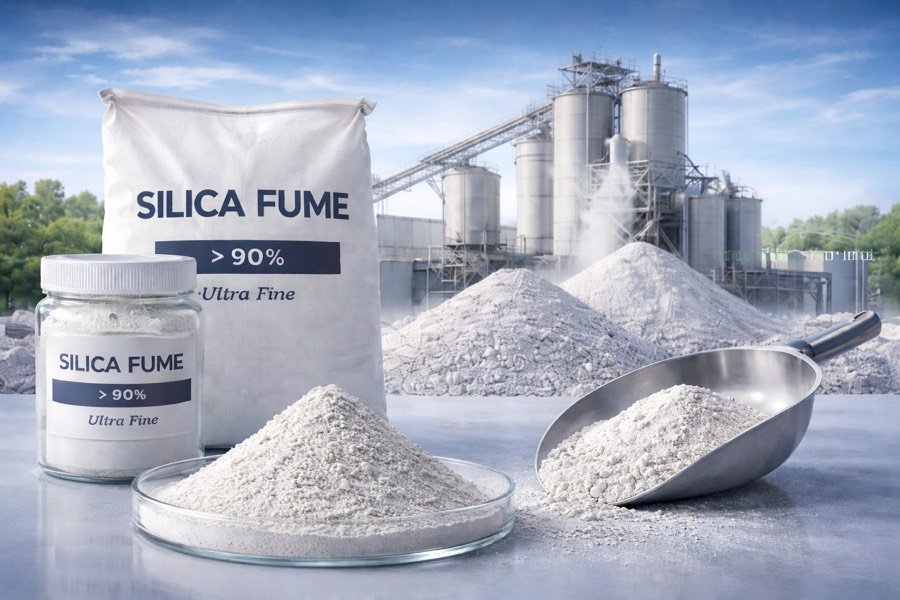
Import Silica Fume from China: Documents, Shipping & HS Code Checks
Back to ResourcesImporting silica fume (microsilica) from China starts with the material specification and the destination requirements. Confirm the grade, densified or undensified form, batch documents, packing and delivery terms before comparing offers. This guide covers shipment planning and HS code checks, with links to silica fume product options and the price and freight guide.
Silica fume HS code: verify the material and destination
The U.S. tariff schedule labels six-digit subheading 2811.22 “Silicon dioxide”. Treat this as a classification starting point, not a confirmed code for every silica fume shipment. Check the exact composition, production process, any treatment or blending, and the full destination code before declaring the goods. Check the official tariff description.
Only the first six digits are internationally shared; national classifications and treatment still need checking. A supplier’s export code does not establish the correct import code or duty. If the classification remains uncertain, ask the destination authority about its ruling procedure. HMRC explains the country-specific check.
Silica fume is not fumed silica. Microsilica is another name for silica fume. Fumed silica is a different silica product; a similar name is not a reason to reuse its specification or classification. See the Silica Fume Association manual.
- Send the broker the TDS, current SDS, composition, manufacturing description and intended use.
- Identify the physical form, any treatment or blending, origin and packing exactly as offered.
- Confirm the full code, shipment-date tariff treatment and required documents for the destination; do not assume a worldwide duty rate.
Step 1: Define the Grade, Form and Required Tests
Choose the material against the project specification before selecting a supplier. A Grade 85, 90 or 92 label describes an offered silica-content grade; it does not establish complete ASTM C1240 compliance or guarantee suitability for a particular concrete application.
- State the governing standard and edition, required chemistry and physical tests, and the intended application.
- Select densified or undensified form by the receiving equipment, mixing trials and logistics. Undensified material is not automatically more reactive than an equivalent base material.
- Request a representative sample, TDS and current lot evidence; use the actual ingredients and process for qualification.
Review ASTM C1240 documentation checks and densified versus undensified handling before final approval.
Step 2: Confirm Trial Quantity, Packing and Payload
Confirm the minimum order for the offered grade and form. Miningsun lists 1 MT trial enquiries and recommends full-container orders for export, but the accepted trial quantity, packing and shipment plan must be confirmed in the quotation. A trial quantity is not the same as a container’s payload.
Compare available 25 kg bags, jumbo bags or bulk delivery with the unloading and storage facilities. Request the actual bulk-density range, bag dimensions, pallet arrangement and net loading plan. Use the confirmed usable shipment weight to compare freight per metric ton; no packing format is always cheapest.
Step 3: Agree the Shipping Rule and Cost Basis
Write the selected Incoterms® rule, named place or port and edition in the order. Match the rule to the handover: container-terminal or multimodal shipments may call for FCA, CPT or CIP rather than a maritime term. Use ICC’s selection checklist.
- FOB: the buyer arranges main carriage; delivery and risk transfer occur when the goods are on board at the named shipment port.
- CFR: the seller pays freight to the named destination port; risk transfers on board at the shipment port.
- CIF: the seller also arranges the required insurance, but risk still transfers on board at the shipment port.
Compare itemized offers with the same rule, place and quantity. Confirm destination handling, import charges, insurance scope and inland delivery separately. A CIF port quotation is not a promise of duty-paid delivery to the plant. Read ICC’s CFR/CIF explanation.
Step 4: Agree Payment and Shipment Milestones
Confirm the accepted payment method, deposit or credit conditions, inspection point and document-release arrangements in the written order. These are negotiated terms, not a universal deposit percentage. Agree how quantity, specification and document discrepancies will be handled before payment or shipment.
Step 5: Match the Document Set to the Destination
Ask the importer or broker to confirm the required document set before booking. Common commercial and quality documents to prepare include:
- Commercial invoice and packing list with consistent product description, lot identification and net weight.
- Bill of lading or the applicable transport document.
- Certificate or evidence of origin when required, using the appropriate scheme rather than assuming one form applies everywhere.
- Current batch COA, agreed test reports, TDS and SDS; a public sample document does not identify the shipment.
- Any additional documents required for the material, packaging, destination or contract.
Keep the composition description and classification decision consistent across the declaration and supporting documents. Review public silica fume documents as reference examples, then request the documents for the confirmed lot.
Step 6: Confirm Inspection and the Shipping Schedule
Agree a representative sampling and inspection plan before loading, including the checks required for lot identity, quantity, packing, marking and test results. If third-party inspection is requested, confirm the appointed provider, scope, timing and cost; do not assume a report covers tests it does not list.
Request a current production or stock-availability date, document-ready date, loading window and route estimate. Shipping time depends on the actual sailing, transshipment and destination clearance, so the quote should state its assumptions and validity.
Frequently Asked Questions
What is the minimum order to import silica fume from China?
The accepted minimum depends on the grade, form, packing and shipment route. Miningsun lists 1 MT trial enquiries and recommends FCL export orders; confirm the available trial quantity and total shipment costs before ordering.
Which Incoterm is best for a first-time buyer?
Choose a rule that matches the actual delivery point and your freight and clearance arrangements. Confirm costs, insurance and risk separately. CIF includes specified freight and insurance responsibilities; it does not mean the seller bears all transport risk or pays destination import charges.
What documents do I need to clear silica fume at customs?
Confirm the destination requirements with the importer or broker. Prepare the invoice, packing list, transport document, required origin evidence and material documents such as the current COA and SDS. Check the exact material description and full destination classification before shipment.
How long does delivery take?
Request a current schedule for the offered grade, quantity and route. Production or stock availability, inspection, document preparation, vessel space, transit and destination clearance all affect the delivery date; an older published lead time is not a shipment guarantee.
Can I test the material before placing a full order?
Ask for the available representative sample and its matching test documents, then agree the trial quantity and conditions. Qualify the actual source and form in your intended formulation before approving repeat supply.
Public document examples
These PDFs describe the named grades and are reference samples. Request documents that match the selected material and confirmed shipment lot.
Request a silica fume import quote
- Required standard, silica-content grade and densified or undensified form.
- Net metric tons, packing, unloading equipment and target shipment window.
- Destination country and port, preferred shipping rule and required lot documents.
- Compare silica fume grades and documents
- Review price per ton, per kg and freight inputs
- Check supplier qualification steps
References for verification
- USITC: current tariff description for subheading 2811.22
- HMRC: finding commodity codes and checking overseas supplier codes
- UK Trade Tariff: product details needed for classification
- HMRC: advance tariff ruling guidance for Great Britain
- Silica Fume Association: silica fume, microsilica and other silica materials
- ICC: selecting Incoterms 2020 rules for the shipment
- ICC: CFR and CIF cost and risk responsibilities
- ASTM C1240: specification scope and test requirements