
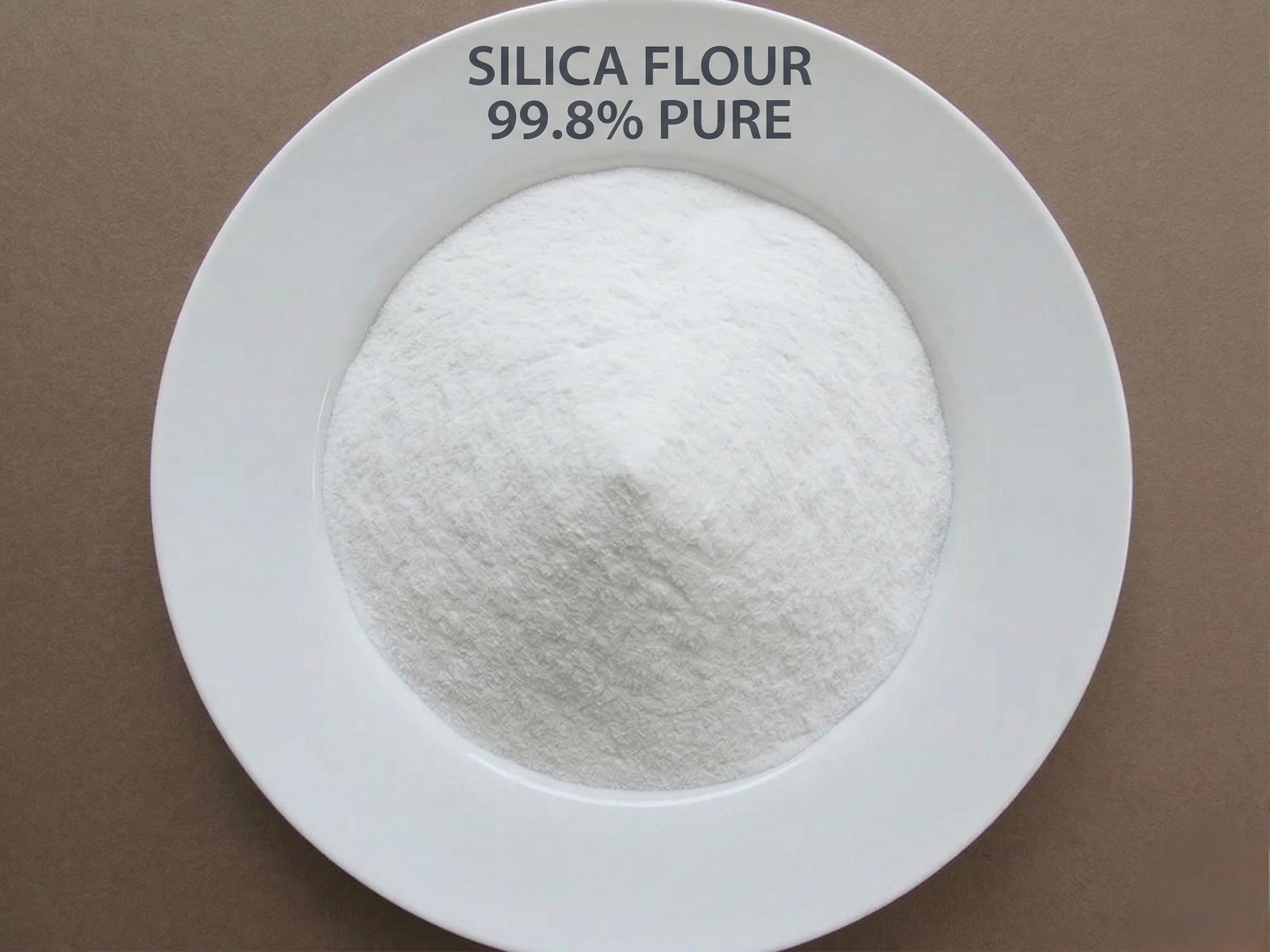
 Silica Flour
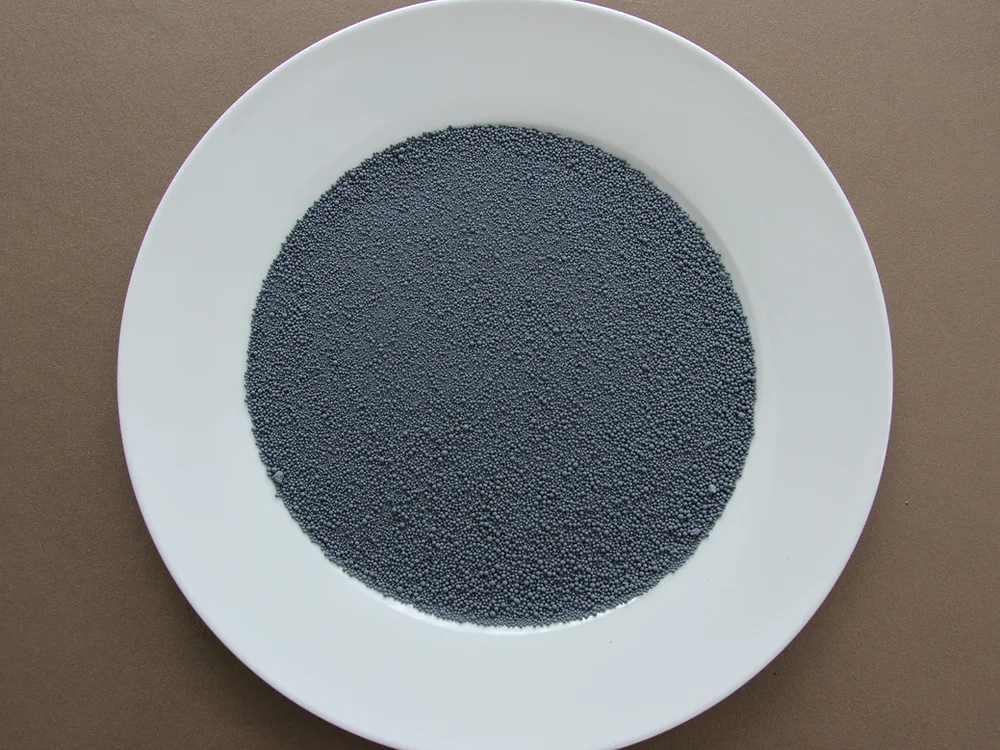 Silica Fume
Silica Flour vs Silica Fume: Key Differences, Applications and How to Choose
← Back to ResourcesCompare silica flour and silica fume by source, particle size, reactivity, concrete performance and applications. Learn which material fits your project.
Quick Answer: Silica Flour and Silica Fume Are Not Interchangeable
Silica flour and silica fume are both silica-rich powders, but their production, structure, particle size and behavior are different. Silica flour is finely ground crystalline quartz, usually selected by mesh, particle-size distribution and SiO2 purity. Silica fume is an ultrafine amorphous powder collected during silicon or ferrosilicon production and is valued for its high pozzolanic reactivity and particle-packing effect.
For procurement teams, the practical rule is simple: choose silica flour when the formulation needs a controlled ground quartz filler or a silica source for an application such as high-temperature oil well cementing. Choose silica fume when a cementitious or refractory system needs ultrafine, reactive silica. Do not substitute one for the other without laboratory qualification.
What Is Silica Flour?
Silica flour is produced by crushing, grinding and classifying high-purity quartz or silica sand. Commercial grades are commonly described by mesh, such as 200 mesh, 325 mesh or 400 mesh, although a buyer should request the full particle-size distribution instead of relying only on the mesh name.
The particles remain predominantly crystalline silica. In a formulation, silica flour usually acts as a mineral filler, a controlled silica source or a component that supports thermal and dimensional performance. It is used in oil well cementing, refractories, ceramics, engineered stone, coatings, polymers and selected specialty construction materials.
Important purchase data include SiO2 content, quartz content, particle-size distribution, moisture, oversize residue and the limits for iron or other impurities that could affect the final product.
What Is Silica Fume?
Silica fume, also called microsilica or condensed silica fume, is recovered from the gas stream of electric arc furnaces producing silicon or ferrosilicon. It consists mainly of amorphous silicon dioxide in spherical, sub-micron primary particles.
Because those particles are extremely fine and have high surface area, silica fume can fill spaces between cement grains and react with calcium hydroxide in a cementitious system. This combination can reduce permeability and support higher strength and durability when the material is correctly dispersed, dosed and cured.
Undensified silica fume has very low bulk density. Densified material is agglomerated to improve storage and transport efficiency, while slurry and application-specific grades may be used where dust control or dispersion is especially important. See the densified vs undensified silica fume guide for handling differences.
Silica Flour vs Silica Fume: Side-by-Side Comparison
| Buyer Question | Silica Flour | Silica Fume |
|---|---|---|
| How is it made? | Quartz or silica sand is mechanically ground and classified. | Ultrafine powder is collected as a by-product of silicon or ferrosilicon production. |
| Silica structure | Predominantly crystalline quartz. | Predominantly amorphous silicon dioxide. |
| Typical size description | Mesh or micron distribution, such as 200, 325 or 400 mesh. | Sub-micron primary particles; supplied undensified, densified or as slurry. |
| Primary function | Mineral filler, controlled silica source and formulation component. | Reactive pozzolan and ultrafine particle-packing additive. |
| Common construction use | High-temperature oil well cementing and selected specialty formulations. | High-performance concrete, repair mortars, shotcrete and low-permeability cement systems. |
| Main buyer checks | Mesh, PSD, SiO2, moisture and impurity limits. | SiO2, loss on ignition, moisture, bulk density and conformity to the project standard. |
| Common concrete reference | Project- or formulation-specific requirements. | ASTM C1240, plus regional and project specifications. |
How Their Applications and Performance Differ
Oil well cementing
Silica flour is commonly used in high-temperature oil well cement systems. The formulation is designed around service temperature, cement chemistry, target density and thickening-time requirements. Buyers should specify the mesh, particle-size distribution and purity and should test the exact production sample in the intended cement system. The silica flour for oil well cementing guide covers the purchasing details.
Concrete and repair materials
Silica fume is the normal choice when the goal is a highly reactive ultrafine SCM for dense, durable concrete or mortar. Its effect depends on dosage, dispersion, water-binder ratio, admixture compatibility and curing. It can increase water demand if the mix is not adjusted, so the supplier's recommendation must be confirmed with trial batches. Review the silica fume dosage guide before finalizing a mix.
Refractories
Both products can appear in refractory formulations, but they perform different jobs. Silica fume can influence packing, flow and high-temperature bonding reactions because of its fineness and amorphous structure. Silica flour contributes a controlled crystalline silica fraction and particle-size range. A refractory recipe may use one or both; the approved formulation determines the correct grade.
Polymers, coatings and ceramics
Silica flour is widely used as a cost-effective mineral filler where hardness, particle size, color and purity are important. Silica fume is selected only when its very high surface area and ultrafine morphology provide a specific benefit. Dispersion behavior and occupational dust controls should be reviewed for either powder.
Can Silica Flour Replace Silica Fume?
Not on a one-for-one basis. A similar chemical label does not mean similar performance. Replacing silica fume with silica flour removes much of the ultrafine particle-packing and pozzolanic effect. Replacing silica flour with silica fume changes surface area, water demand, rheology and reactivity.
If a formulation change is necessary, treat it as a new material qualification. Establish target properties, prepare controlled trial batches and test fresh behavior, strength, permeability, thermal performance or other application-specific criteria before production.
Buyer note: A quotation that lists only “silica powder” is not specific enough. Confirm whether the offer is crystalline silica flour or amorphous silica fume, then request the relevant TDS and recent batch COA.
How to Choose the Right Silica Material
- Choose silica flour when the specification calls for ground quartz, a defined mesh, a controlled crystalline silica source or high-temperature oil well cementing performance.
- Choose silica fume when the mix requires an ultrafine amorphous pozzolan for particle packing, reduced permeability or high-performance cementitious behavior.
- Use the approved formulation when buying for refractories, coatings, polymers or ceramics; product names alone cannot predict performance.
- Run a representative trial using the proposed production grade and the actual cement, admixtures or resin system.
Buyer Checklist Before Requesting a Quote
- State the application and the governing product or project standard.
- For silica flour, specify mesh plus particle-size distribution, SiO2, moisture and impurity limits.
- For silica fume, specify form, SiO2, loss on ignition, moisture, bulk density and applicable standard.
- Request a current TDS, representative COA, MSDS and a sample for approval.
- Confirm bag size, pallet requirement, container loading and protection from moisture.
- Compare FOB or CIF quotations on the same specification and packing basis.
For technical background on silica fume terminology and particle behavior, see the Elkem silica fume overview and the National Concrete Pavement Technology Center cementitious materials guide.
Frequently Asked Questions
Are silica flour and silica fume the same material?
No. Silica flour is mechanically ground crystalline quartz, while silica fume is an ultrafine amorphous by-product collected during silicon or ferrosilicon production. Their particle size, reactivity and primary functions are different.
Can silica flour replace silica fume in concrete?
Not as a direct one-for-one replacement. Silica fume is selected for its pozzolanic reactivity and very fine particle-packing effect. Silica flour generally functions as a mineral filler or application-specific silica source. Any substitution requires a new mix design and performance testing.
Which material is finer?
Silica fume primary particles are typically sub-micron and much finer than common 200, 325 or 400 mesh silica flour. Densified silica fume forms larger agglomerates for handling, but those agglomerates are designed to disperse during mixing.
Which material is used for high-temperature oil well cementing?
Silica flour is commonly specified in high-temperature oil well cement systems where a controlled silica source is required. The correct mesh, purity and dosage must follow the cement-system design and service temperature.
Which standard is commonly used for silica fume in concrete?
ASTM C1240 is a widely referenced specification for silica fume used in cementitious mixtures. Buyers should also confirm project, regional and customer-specific requirements before ordering.
Compare the right grade before you buy
Send Miningsun your application, required standard, quantity and destination port. We can provide product options, technical documents, samples and FOB or CIF quotations.