miningsun

Vermiculite Grades Explained: A Buyer’s Guide | Miningsun

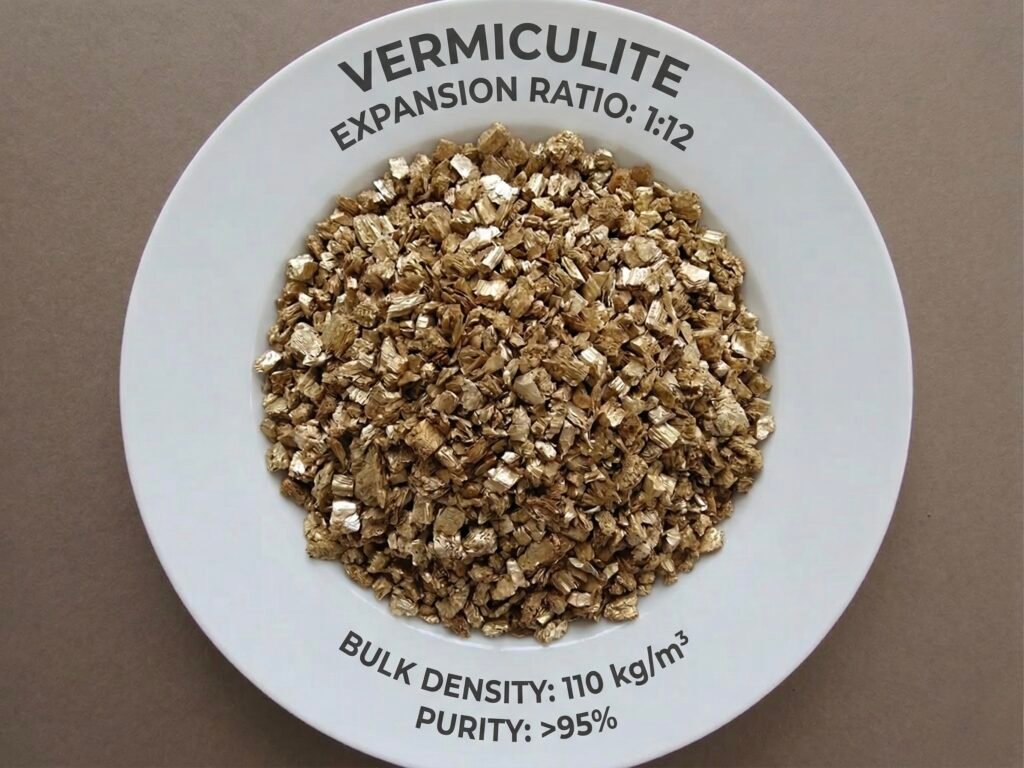
Exfoliated vermiculite is sold in four standard grades defined by particle size, and selecting the wrong grade for an application produces poor results regardless of quality. Grade 1 (0.5–2 mm) and Grade 2 (2–4 mm) are the horticultural grades used in seed germination, propagation mixes, potting media, and hydroponics substrates. Grade 3 (4–8 mm) is the primary construction grade for loose-fill cavity insulation, lightweight concrete, and passive fire protection of structural steel. Grade 4 (8–12 mm) is used in high-temperature applications including steel ladle topping, refractory insulation, and foundry riser sleeves. All grades are asbestos-free certified. This guide covers properties, application requirements, and a procurement checklist for international buyers.

Vermiculite Grades Explained: A Buyer’s Guide | Miningsun Read More »

Bentonite in Drilling Fluids: Grade Selection Guide | Miningsun

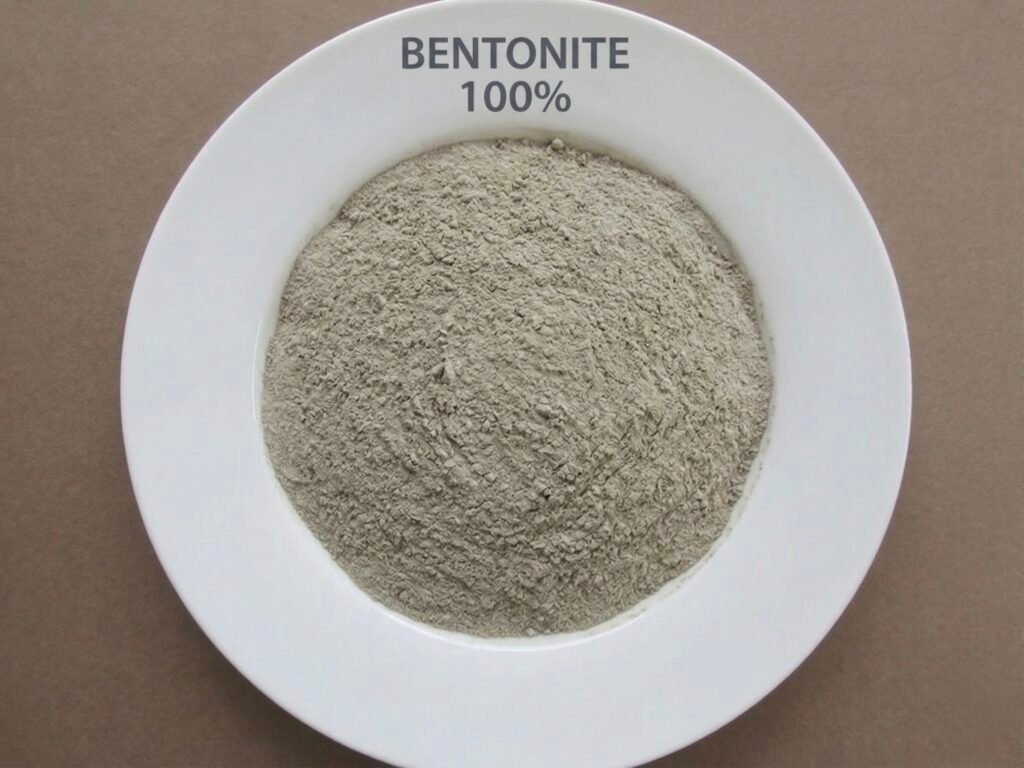
Selecting the right bentonite grade for a drilling application directly determines fluid viscosity, filtration control, and borehole stability. API 13A grade bentonite — with a minimum yield of 16 m³/tonne — is the mandatory specification for oil, gas, and geothermal wells and demanding HDD crossings. OCMA grade, with a minimum yield of 13 m³/tonne, is suitable for standard civil HDD, water well drilling, and geotechnical boreholes at a 15–25% cost saving. This guide covers the API vs OCMA comparison in detail, application-by-application grade selection for oilfield, HDD, tunneling, and water well drilling, mixing and hydration requirements, and a full procurement checklist for international buyers.

Bentonite in Drilling Fluids: Grade Selection Guide | Miningsun Read More »

GGBFS vs slag cement

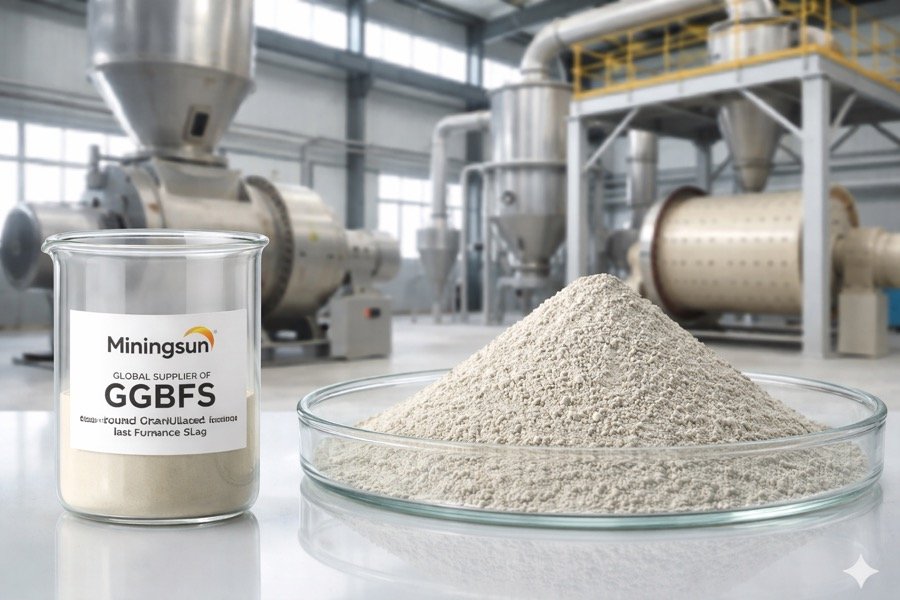
GGBFS and slag cement are frequently confused but they are different products governed by different standards. GGBFS is a pure unblended supplementary cementitious material covered by ASTM C989 and EN 15167, giving the concrete producer full control over replacement rate. Slag cement is a finished blended product — Portland clinker plus GGBFS — governed by ASTM C595 or EN 197-1, with a fixed ratio set by the manufacturer. This guide explains the distinction, covers S95 and S105 grade specifications, typical dosage ranges from 30% to 70% replacement, and provides a procurement checklist for international buyers sourcing GGBFS from China or Korea.

GGBFS vs slag cement Read More »

Scroll to Top